Most electrical standards in the U.S. are set at the national level, but that doesn’t mean every installation is the same everywhere. Local laws, regional building codes, and even climate conditions all play a role in how electrical work must be done.
A ceiling fan installation in Houston, TX is a perfect example. Considering the heat, humidity, and local code requirements, cutting corners can lead to problems fast – or come back to haunt you years later.
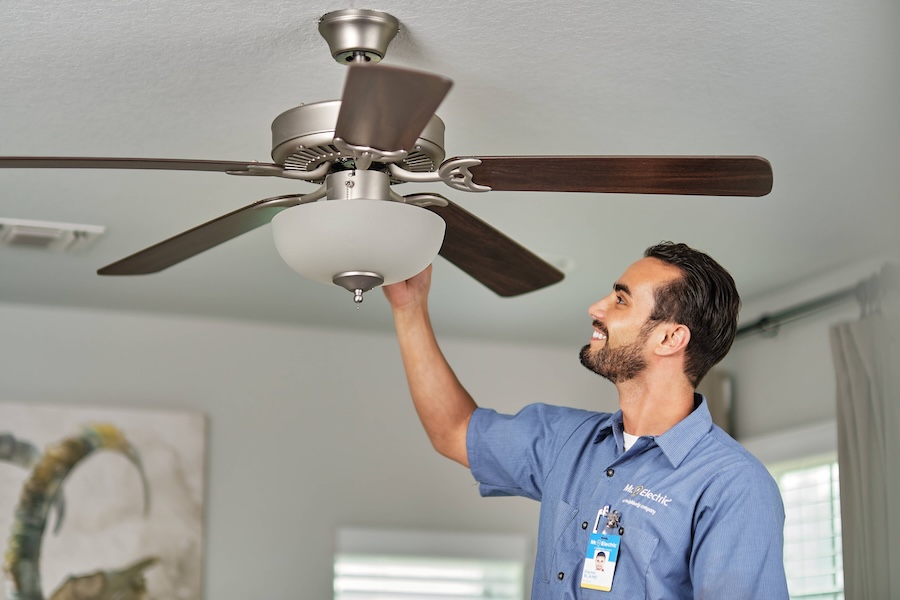
Installing a ceiling fan in Houston involves more than just following the instructions that came in the box. In this brief article brought to you by Mr. Electric, we talk about what proper ceiling fan wiring actually involves and why this is a job for certified electricians… not weekend warriors.
Ceiling Fans Are Heavier Than They Look
One of the biggest mistakes homeowners make is believing that any ceiling electrical box can support any and all fans. In reality, ceiling fans are much heavier than light fixtures – and they move. That movement creates vibration and stress on the mounting point.
The NEC requires ceiling fans to be installed with an electrical outlet box specifically rated for ceiling fans and their weight. These fan-rated boxes are designed to support the weight and handle the vibration. A standard plastic or light-duty box is not designed to handle this load.
In many cases, installing a proper fan-rated box means accessing the ceiling joists from above or cutting into the ceiling to install structural bracing. This isn't as simple as unscrewing one box and screwing in another.
The Wiring Complexity
Ceiling fan wiring is more complex than it appears. If your fan includes a light kit, for instance, then you need to wire both the fan motor and the lighting separately so that they can be controlled independently.
If your existing wiring only has two wires plus ground (standard for a simple light fixture), then you'll need to run new wire. This means accessing walls, fishing new cables, and ensuring proper connections at every junction point.
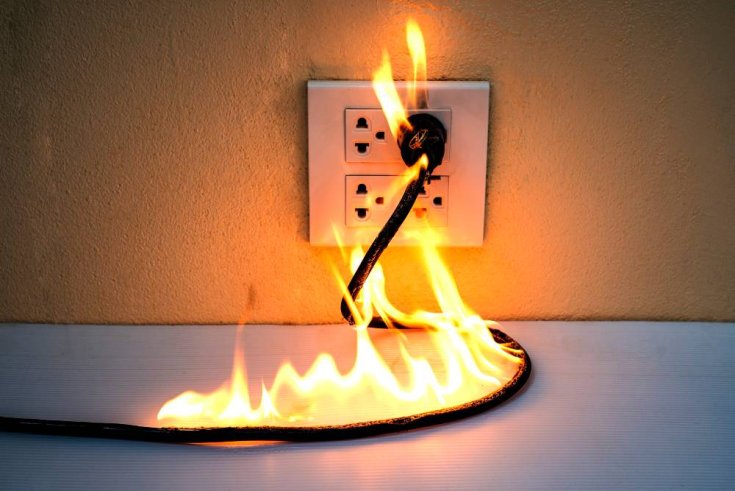
Improper wiring can lead to flickering lights, overheating wires, tripped breakers, fan motor damage, and even injury. In humid climates like Houston, improper connections are even more risky.
Grounding and Bonding Requirements
We mentioned grounding earlier, but it’s worth highlighting. Grounding is a critical safety feature that redirects excess electricity if something goes wrong. Ceiling fans must be properly grounded to reduce the risk of electric shock and fire.
In fact, Houston inspections often flag improper grounding. DIY installers sometimes skip grounding altogether or assume it isn’t necessary. That’s a dangerous assumption. Try to sell your home with unpermitted electrical work, and you'll face problems during the inspection.
Switches, Controls, and Load Ratings
Ceiling fans are not the same as light fixtures when it comes to switches. Fan motors draw different electrical loads, and not all wall switches are designed to handle them. Using the wrong switch can cause overheating or premature failure.
Moreover, an electrician must evaluate the load on your current circuit to determine if it can handle the additional demand. If your circuit is already at capacity, you'll need a dedicated circuit for your ceiling fan. This requires new wiring from your electrical panel.
Hire a Uniformed, Local Electrician Today
Hiring a certified electrician doesn’t have to break the bank. When you choose Mr. Electric, you get honest and affordable pricing. In fact, we provide detailed price quotes UPFRONT and even offer a 1-year workmanship guarantee so you can rest assured.
We’re confident in our work, and we prefer recurring clients over one-and-dones. Whether you want to schedule an appointment or need emergency electrical repair in Katy, TX, the local team at Mr. Electric is ready, willing, and able to help.