What Happens If You Don’t Have Whole-Home Surge Protection?
Believe it or not, power surges hit your home constantly. Most are minor, like barely noticeable voltage spikes when your air conditioner kicks on or your refrigerator cycles off. Others are massive. Think lightning strikes sending millions of volts through your electrical system in an instant.
Every surge – big or small – threatens the electronics and appliances you depend on daily, however.
Sadly, most homeowners don't think about surge protection until something breaks. Maybe a lightning storm fried their TV, or perhaps their smart home system started acting weird after utility work in the neighborhood.
By then, the damage is done. Inadequate surge protection doesn't give you second chances.
In this brief article brought to you by Mr. Electric, we explore what actually happens when surges strike homes without proper protection and why hoping for the best isn't a strategy. If you’d rather consult a certified electrician, then feel free to contact Mr. Electric.
The Obvious Threat and Instant Catastrophe
Lightning strikes are the first thing that comes to mind when the average person thinks “power surge.” Though it’s nowhere near the most common, it’s definitely the most destructive. When lightning hits a power line near your home or strikes your property directly, you can expect millions of volts surging through your electrical system.
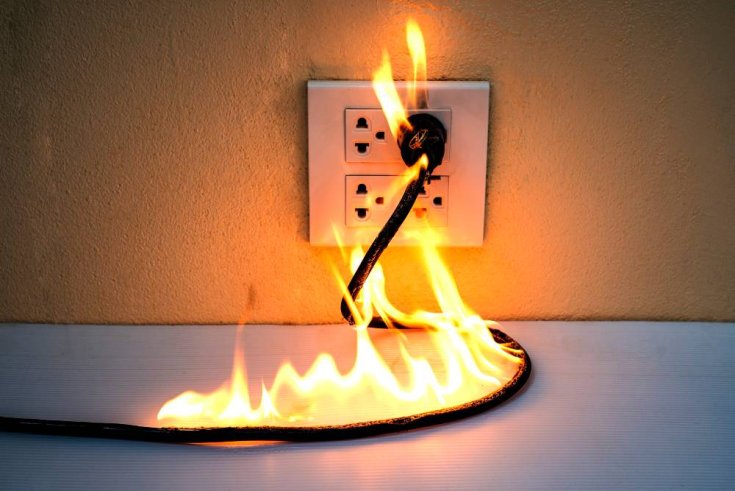
Without whole-home surge protection, this massive energy floods every circuit in your house. The surge overwhelms wires, outlets, and connected devices and appliances in an instant!
In most cases, everything connected to power at the moment of impact suffers catastrophic damage. Circuit boards melt, motherboards fail, control boards burn, and so on.
You might lose thousands of dollars worth of electronics in a single lightning strike. Insurance might cover some losses, but you still face deductibles, depreciated value payouts, and the hassle of replacing everything.
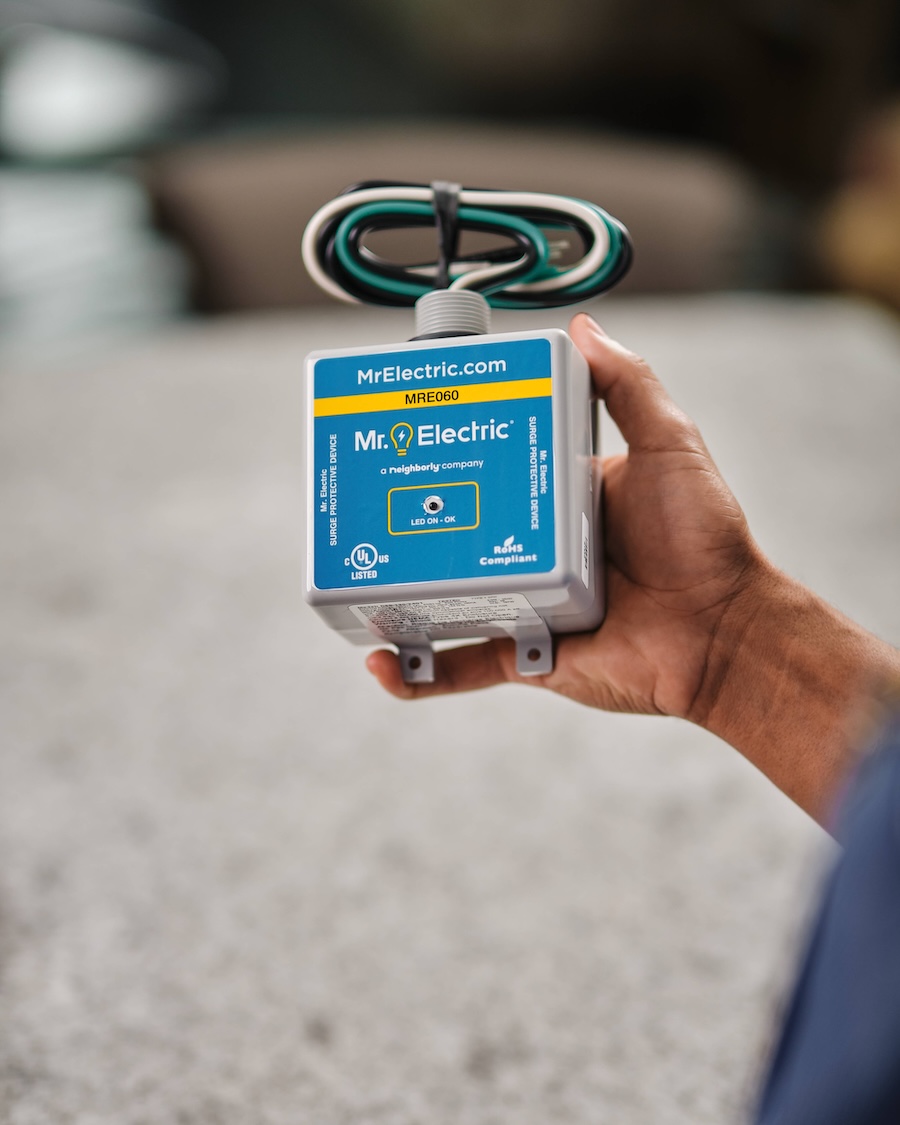
Make no mistakes: Point-of-use surge protectors (those power strips with surge protection) can't handle lightning-level surges. They're designed for small surges... not catastrophic events.
Cumulative Small Surge Damage: The Silent Killers
While big surges create obvious and immediate damage, small surges kill your electronics slowly over time – and you may never notice until devices start failing prematurely.
This is how it happens.
Every time your air conditioner starts, it creates a small voltage spike. When your washing machine cycles, it generates another surge. These tiny surges happen dozens of times daily.
Each small surge slightly degrades electronic components. Circuit boards develop weak points, capacitors wear down, connections deteriorate, and so on. Individually, it’s microscopic damage. Cumulatively, they destroy equipment.
If your five-year-old TV that should last ten years dies, or your new refrigerator that carries a ten-year warranty quits after three, then chances are inadequate surge protection killed them prematurely.
The Hidden Costs Beyond Replacement
The most obvious cost of surge damage is the price tag of new equipment, appliances, and electronics you have to buy. Surge damage costs more than just replacing destroyed equipment, though. You may also lose:
- Data: Computers, external drives, and smart devices store irreplaceable photos, documents, and memories.
- System Integration: Smart home systems require setup, programming, and integration. Surge damage forces you to reconfigure everything from scratch.
- Time: The timing of surge damage creates emergencies and disruptions.
- Property Lifespan: Affected electronics fail years earlier than expected, thereby forcing premature replacements.
The math is clear: one destructive power surge often costs more than a whole-home surge protection installation. Plus, Mr. Electric offers upfront price quotes and workmanship guarantee so you can rest assured.
Hire a Certified Electrician Today
Whether you want to install a surge protector at your electrical panel or the damage is done and you need urgent electrical repair, the local pros at Mr. Electric are here to help. Call or message our office team to get in touch today.